
If your energy feels lower than it used to — even though you’re eating well, sleeping enough, and trying to do everything “right” — it can be incredibly frustrating.
For many adults, this isn’t about laziness or burnout. It’s often tied to subtle metabolic and cellular changes that happen gradually over time and are easy to overlook.
That’s why quick fixes like caffeine or extreme routines don’t always help — they address symptoms, not what’s happening underneath.
This article looks at common reasons energy can feel lower despite healthy habits, along with natural ways people support their energy and metabolism — including a closer look at a supplement many are researching called Mitolyn.
Many people who feel tired despite healthy habits start by looking more closely at how their body produces and maintains energy.
This content is for informational purposes only and is not medical advice.
The Difference Between “Being Tired” and Having Low Cellular Energy
There’s a difference between feeling tired after a long day and experiencing ongoing, low-level fatigue that never fully goes away.
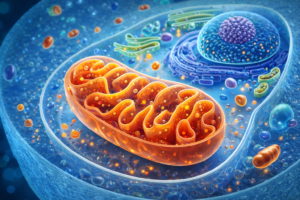
Cellular energy is created inside tiny structures called mitochondria, often referred to as the “power plants” of the body. These structures convert nutrients and oxygen into usable energy that fuels everything from physical movement to mental focus.
As we age — and as our bodies experience ongoing stress, environmental exposure, and nutrient depletion — mitochondrial efficiency can decline.
When this happens, people may notice:
- Low stamina
- Slower recovery
- Mental fog
- Feeling drained even after rest
This isn’t a motivation issue — it’s an energy production issue.
Want a Practical Next Step?
Many people tell me they still feel stuck even after learning all this.
I spent time digging into solutions that actually help support energy at the cellular level, and I shared what I found — including what works and what doesn’t.
Many people start by looking at solutions designed to support how energy is produced inside the body.
Why Traditional Energy Solutions Often Fall Short
When energy drops, many people turn to quick fixes:
- caffeine
- sugar
- energy drinks
- stimulants
While these can provide temporary alertness, they don’t address how energy is actually produced inside the body. In some cases, they may even increase burnout by forcing the body to run on stress hormones instead of sustainable energy.
That’s why many people start looking into options that focus on supporting energy at the cellular level rather than quick stimulation.
👉 You can see what that looks like here.
That’s why many people find themselves stuck in a cycle:
temporary boost → crash → repeat
A Deeper Look at Mitochondrial Support
Instead of stimulating the nervous system, some researchers and wellness experts have begun exploring mitochondrial support — nutrients and compounds that help support how cells naturally generate energy.
This approach focuses on:
- supporting cellular function
- protecting mitochondria from oxidative stress
- helping the body produce energy more efficiently
Rather than forcing energy, the goal is to support the body’s own energy systems.
This is why some people start exploring supplements designed to support mitochondrial function rather than relying on stimulation alone.
👉 You can see an example of that approach here.
Why Energy Declines Even With a “Healthy” Lifestyle
Even people who eat well and exercise may still experience low energy due to:
- natural aging processes
- environmental stressors
- nutrient absorption changes
- oxidative damage over time
This helps explain why fatigue often appears gradually — and why it doesn’t always respond to surface-level changes.
Because these factors affect how energy is produced inside the body, many people begin looking into options that support energy at a deeper, cellular level.
👉 You can explore what that looks like here.
When Healthy Habits Still Aren’t Enough
While nutrition, sleep, and movement all matter, some people notice that energy still doesn’t rebound the way they expect.
Instead of pushing harder or relying on stimulants, many start looking for ways to support energy at a deeper level — especially metabolic and cellular function.
That’s where targeted supplements come into the conversation, including one that’s been getting increased attention called Mitolyn.
An Educational Approach to Cellular Energy Support
Many others exploring this topic have come across MITOLYN, a supplement designed to support mitochondrial and cellular energy processes.
MITOLYN focuses on ingredients commonly associated with:
- mitochondrial function
- cellular protection
- metabolic efficiency
Rather than acting as a stimulant, it’s positioned as a supportive approach for people looking to address energy at a foundational level.
Who This Type of Support May Be For
This approach is typically explored by people who:
- feel persistently low on energy
- don’t want to rely on caffeine or stimulants
- are curious about cellular-level wellness
- want to support energy more sustainably
It’s not intended as a quick fix — but rather as a longer-term support strategy.

Why Education Matters Before Trying Anything New
Energy is complex. That’s why understanding why fatigue happens is often just as important as finding ways to address it.
Educational resources can help people decide whether cellular energy support aligns with their goals, lifestyle, and expectations.
Final Thoughts
Low energy isn’t always a sign that you’re doing something wrong. In many cases, it’s a signal that the body may need support at a deeper level.
Learning how cellular energy works — and what supports it — can be an important first step toward feeling more balanced and energized over time.
Next Step If You Want Support with Energy
If you’ve been doing everything right but still feel drained, learning more about supportive options may help you decide what makes sense for your situation.
Health & Affiliate Disclosure
This article is for informational purposes only and is not intended as medical advice. Always consult with a qualified healthcare professional before making changes to your diet, supplements, or wellness routine.
I only link to resources I’ve researched. I’m not a doctor — just sharing what I’ve found helpful.
Some links on this page may be affiliate links, meaning we may earn a commission if you choose to make a purchase at no additional cost to you. Individual results may vary.