Staying consistent with movement at home isn’t always easy — even when you have good intentions or quality equipment available.
Many people start strong with routines or goals, only to find that busy schedules, low energy days, or everyday life get in the way. Over time, consistency matters far more than intensity, and having the right tools can make movement feel approachable instead of overwhelming.
This post shares simple home fitness tools that support consistency, flexibility, and real-life routines — without pressure to be perfect.
Movement That Fits Into Real Life
Consistency doesn’t mean doing the same workout every day or following a strict schedule. For many people, it looks more like short sessions, gentle movement, or choosing tools that make starting easier.
When movement fits naturally into daily life, it becomes something you return to — not something you avoid.
The tools below are designed to reduce friction, save time, and make it easier to move in a way that feels realistic and sustainable.
Low-Impact Tools That Make Starting Easier
One of the biggest barriers to consistency is feeling like movement has to be intense or time-consuming.
Low-impact tools help remove that mental hurdle and make it easier to begin — even on days when motivation is low.
These types of tools are often used for:
- Short movement sessions
- Gentle strength training
- Walking or light cardio at home
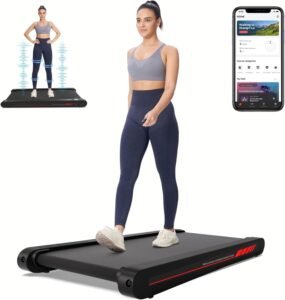
Superax Walking Treadmill Pad
A walking treadmill pad is a practical option for adding gentle movement into daily routines without the pressure of a full workout. Its compact, low-profile design makes it easy to use at home, whether placed under a desk or used during short walking sessions throughout the day.
For people who struggle with consistency, tools like this can help reduce barriers by making movement feel more accessible and flexible. Even small amounts of walking can add up over time, especially when the setup is simple and easy to return to.
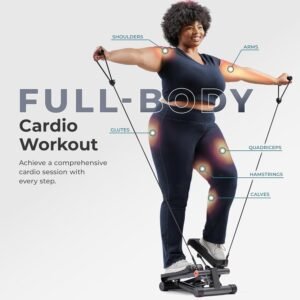
Sunny Health & Fitness Mini Stepper
A mini stepper is a simple way to add gentle movement at home without needing a lot of space or setup. Its compact design makes it easy to keep nearby, which can make short movement breaks feel more achievable throughout the day.
For anyone working on consistency, tools like this support movement in smaller increments rather than all-or-nothing workouts. It’s especially useful for days when time or energy is limited, but staying active still feels important.
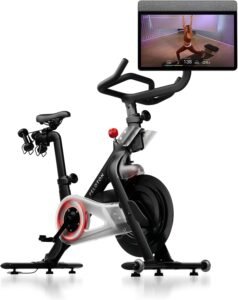
Peloton Bike
An at-home bike like the Peloton can be a helpful option for people who value structure but still need flexibility. One of its biggest advantages is access to short, guided workouts that fit into busy schedules without requiring a long time commitment.
For consistency, having a setup that’s always ready can make movement feel more approachable. Even brief sessions can help maintain a routine, especially on days when energy or time is limited. This type of bike works well for people who prefer guided options but still want the freedom to choose what fits their day.
Having access to shorter classes has made it easier for me to stay consistent, even on busy days.
Equipment That Supports Comfort and Safety
Comfort plays a big role in whether movement becomes a habit.
When equipment feels supportive, stable, and easy to use, people are more likely to return to it consistently. Small upgrades can make a noticeable difference in how movement feels day to day.
Comfort-focused tools are especially helpful for:
- Stretching
- Recovery
- Floor-based movement
- Balance and stability
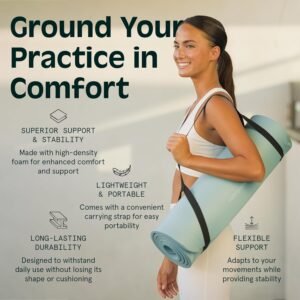
Retrospec Solana Yoga Mat
A supportive yoga mat can make a big difference in how comfortable movement feels at home. A thicker mat like this provides extra cushioning, which can be helpful for floor exercises, stretching, or gentle movement sessions.
When movement feels physically comfortable, it’s easier to return to it consistently. Having a mat that stays in place and offers support helps remove small barriers that can otherwise make workouts feel less inviting.
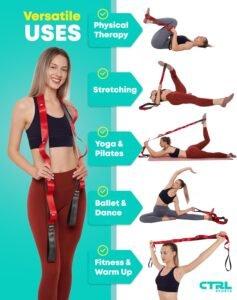
Stretching Strap with Loops
A stretching strap with loops is a simple tool that supports flexibility and gentle movement without requiring advanced mobility. The looped design allows for better control during stretches, making it easier to move comfortably at your own pace.
For consistency, tools like this help make stretching feel more approachable, especially on days when high-energy workouts aren’t realistic. It’s a helpful option for warm-ups, cooldowns, or recovery-focused movement that still supports staying active.
Tools That Reduce Decision Fatigue
Decision fatigue is an often-overlooked barrier to consistency.
When it takes too much effort to decide what to do, how long to do it, or where to start, movement gets pushed aside. Tools that simplify choices help remove that friction.
These tools support consistency by:
- Creating structure
- Limiting setup time
- Making movement feel more automatic
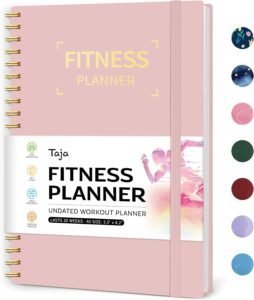
Fitness Workout Journal
A fitness workout journal is a simple way to bring awareness and structure to movement routines without overcomplicating things. Instead of focusing on perfection, a journal helps track small efforts, patterns, and progress over time.
For consistency, writing things down can make movement feel more intentional and less overwhelming. It’s especially helpful for noticing what works best on busy days and creating routines that feel sustainable rather than restrictive.
Tracking even small efforts can help reinforce habits without adding extra pressure.
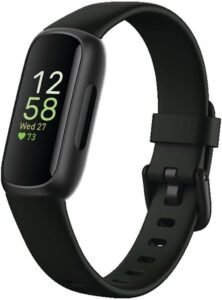
Fitbit Inspire 3
A simple fitness tracker like the Fitbit Inspire 3 can be a helpful tool for building awareness around daily movement without feeling overwhelming. Rather than focusing on performance, it offers gentle insights into activity, movement patterns, and routines.
For consistency, having a visual reminder of daily movement can be motivating in a low-pressure way. It works well for people who prefer subtle accountability and want to stay mindful of their habits without tracking every detail.
Small reminders and insights can make it easier to stay consistent without feeling restrictive.
Making Fitness Part of a Routine — Not a Chore
Even with structured programs or at-home equipment, consistency can still be challenging.
Having flexible, supportive tools available makes it easier to move on days when energy is low or time feels limited. Movement doesn’t have to look the same every day — and it doesn’t have to be perfect to be meaningful.
The goal isn’t to do everything.
It’s to do something — and to keep showing up in a way that feels realistic.
Consistency Comes From Support, Not Perfection
Building a consistent movement routine at home doesn’t require doing everything perfectly or following an intense plan. For many people, consistency starts with choosing tools and habits that fit into real life — especially on busy or low-energy days.
Supportive home fitness tools can help remove small barriers, reduce decision fatigue, and make movement feel more approachable. Whether it’s a short walk, a few minutes of stretching, or a guided ride, showing up in small ways still matters.
Progress isn’t about doing more — it’s about finding what you can return to consistently. When movement feels flexible and supportive, it becomes easier to maintain over time.
Final Thoughts
Consistency grows when movement feels accessible, supportive, and aligned with real life.
Home fitness tools don’t need to be complicated or extreme to be effective. When chosen thoughtfully, they can help remove barriers, support routines, and make movement feel like a natural part of the day — not an obligation.
Progress comes from showing up imperfectly, again and again.
This post may contain affiliate links. If you click and make a purchase, Smart Link Society may earn a small commission at no additional cost to you.